In stock trading, first things first: know where shares are and how trades work. Those who are planning to open demat account facilities should know the functions of each linked service. Shares are held in demat account electronically. A trading account is an account that allows a person to place buy and sell orders through a broker.
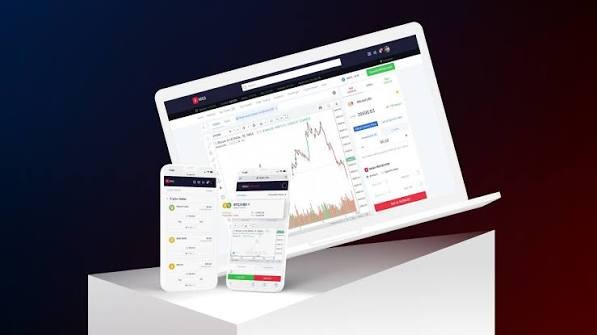
A phone’s share market app can pull together prices, charts, orders and holdings on one screen. This also helps traders to keep track of their daily work at one place. But the app is merely a tool. The data and features are not designed to remove market risk or assure a profitable trade.
How the Accounts Work Together
A share trade is backed by 3 parts, bank account, trading account and demat account. The bank deals in money. The broker sends the trade order to the stock exchange. Once the trade is settled, the shares bought for delivery will arrive in the demat account.
An order that is listed as received is not always a done deal. It can be open, filled, filled in full or rejected. These stages are crucial for tracking funds and shares. SEBI in its investor guide explains the purpose of these accounts.
Steps to Set Up Access
First, verify that the broker and demat service provider are registered with SEBI as required. Please read the terms and fee sheet before starting the form. Costs include the account maintenance charges, trading charges and charges on shares leaving the demat account.
Next, upload the required identity, address and bank details. Conduct the Know Your Customer checks and any verification required. The exact steps will vary depending on the provider and account type. Access will be given after the application is approved.
Then create a strong password and activate the available second check of login. Never give out login codes. Please make sure your bank details and contact details are correct. Check the rights and consent language before permitting linked services.
What the Live Data Shows
With live data you can see the last traded price, the bid and ask quotes and volume of trades. The bid is the price someone will buy at. The ask is the price at which someone wants to sell. The difference between the two is called the spread.
Market depth shows the pending orders at different price levels. It shows the supply and demand at that point. Depth is not a prediction; orders may change or be cancelled. There are different levels of details in the NSE data feeds.
Check the time on each quotation. An old price can remain on screen from a delayed feed or weak network. The price at which an order trades may be different from the price quoted before sending an order.
How Advanced Strategies Employ Tools
A trend strategy studies market direction using price movements. A chart may display a moving average which smooths prices over a set period. Traders can compare price to that line. Such signals tend to lag and fail when sideways moving prices.
A breakout strategy is when the price moves outside a certain range. Volume adds context to the move. For example, a stock may break out above a range and then re-enter it. A chart signal alone can’t confirm a trend will continue.
Backtesting is the process of testing a set of rules against historical data . A useful test involves the difference between expected and actual fill prices, and trade costs. Rules that work on old data may fail in live trading. Testing on a different time span shows that weakness.
A plan can also define how much total cash is set aside for each trade. This is the size of the trade prior to an order being sent. The money borrowed has a cost and can magnify losses when the chart looks like it supports the plan.
Trade Checks and Order Controls
A limit order sets a price ceiling. A buy limit order of ₹100 means that a trade can happen at ₹100 or less if a match is found. This order may not be executed. A market order is to be filled at whatever prices are available, and those can change fast.
Once the trigger is hit, a stop order is live. It does not guarantee an exit at that price. In a sharp move, a stop limit order can remain unfilled. NSE explains order types & how triggers work
Please confirm the stock name, quantity, order type and price before sending an order. After the trade, check the trade record against the contract note. A trade log can keep a record of the plan, costs, outcome and any change made during the trade.
Conclusion
Through a linked demat and trading setup, share storage, order entry and trade review are possible. Charts and tests help assess rules . Live data adds context . All tools have limits. The process still involves clear checks of accounts, diligent review of orders and understanding of costs.
Sources